

Intel is Struggling to Supply Laptop Chips Built Around its New 18A Node
[Exclusive] A shortage of processors at its comeback node has clients worried about stability of future supply.

Good Evening from Taipei,
Intel is suffering a shortage of cutting-edge laptop chips built on its own 18A process node, hampering plans by computer makers to ramp up production, multiple sources told Culpium.
Codenamed Panther Lake and Wildcat Lake, the processors are two of three chips made at 18A. The third, called Clearwater Forest and branded as Xeon 6+, is a server chip that was officially launched this week.
The chipmaker is struggling with delivery of the laptop chips and has been unable to provide clarity on when the shortage would ease, according to people I’ve spoken to at major PC brands, smaller laptop makers, and system assemblers. The supply constraints may not be entirely within Intel’s control, one of the sources told me, but instead also due to its relationship with supply chain partners including TSMC.
There is “some” shortages, Alex Katouzian, Intel’s general manager of Client Computing and Physical AI told me Tuesday in Taipei when I noted that multiple customers have faced trouble getting Panther Lake and Wildcat Lake. “We’re overcoming it,” he said to me at the end of a company press conference which included CEO Lip Bu Tan.
Intel’s struggle to deliver its first two products built around 18A are hurting manufacturers and brands who’d hoped to use the new chips, branded Core Series 3 and Core Ultra Series 3, to spark new interest in laptops, I was told.
It also stands in contrast to Intel earlier telling clients to switch over to the new chips from older versions.
Nikkei’s Lauly Li and Cheng Ting-fang reported in March that Intel was telling customers that supply of Alder Lake, Raptor Lake and Arrow Lake could run out because additional allocation was unlikely. My sources confirmed their reporting.
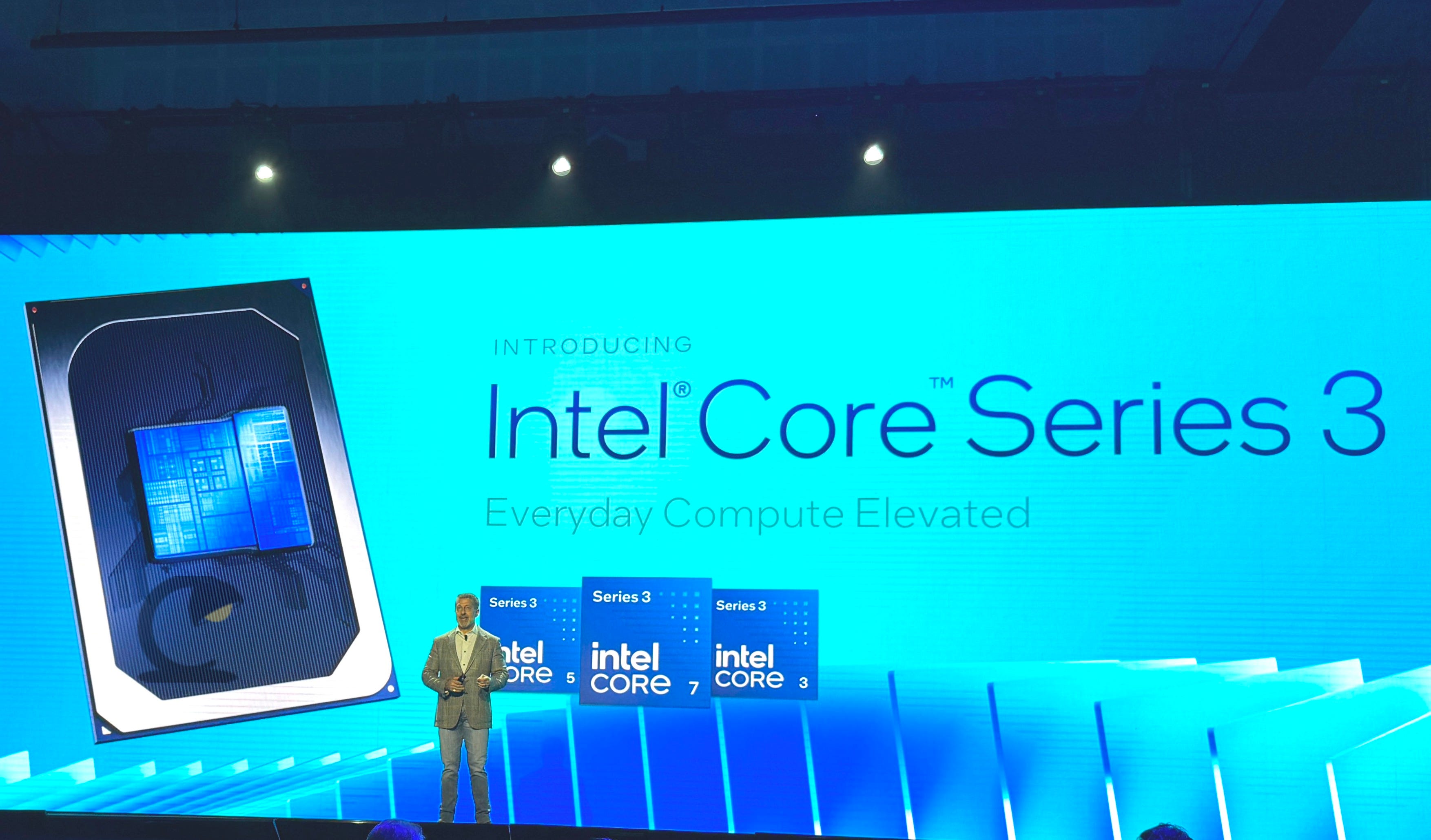
Alder Lake and Raptor Lake were launched at least four years ago and are both made on the company’s Intel 7 node (aka 10nm). Arrow Lake is more recent, at less then two years old, and made on TSMC’s N3 node. Arrow Lake is branded Core Ultra Series 2, while Lunar Lake is also made on a TSMC N3 variant. They’re predecessors of Panther Lake and Wildcat Lake.
“The US company says the supply situation of cutting-edge CPUs -- namely the Panther Lake and Wildcat Lake lines -- is better than that of processors based on older generations of chipmaking technologies,” Nikkei reported in March.
But according to my discussions with multiple sources, the supply situation of these two chips is not actually better.
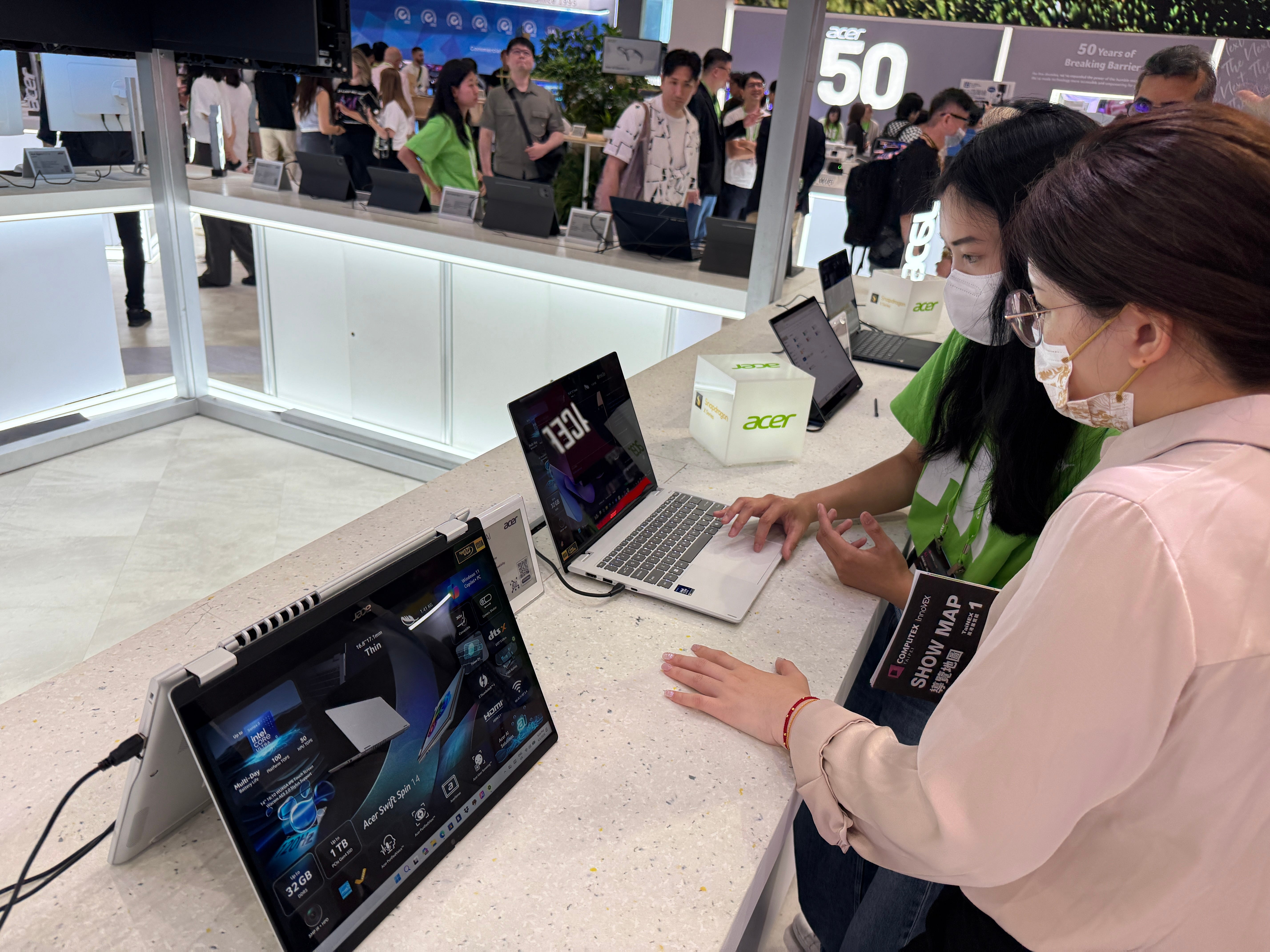
Panther Lake was released in January and Wildcat Lake came out in April. The two chips are made on Intel’s 18A process, its comeback node, and are therefore seen by clients and investors as a key indicator of whether Intel can retake the lead in process technology from TSMC and Samsung.
It’s possible that Intel is pushing clients away from the TSMC-made Arrow Lake because its relationship with the foundry may be under strain, and this tension may continue over into troubles for the Intel-made chips, one of the people told me. Executives at Tuesday’s press briefing noted on multiple occasions that Intel still leans on external partners such as TSMC for select technologies.
The Core Series is a collection of compute dies, with the two latter versions largely made on Intel’s 18A, but they all use I/O chips made with TSMC’s advanced EUV processes. Even though the new versions of the compute dies are made at Intel 18A, the US chipmaker still sources these I/O chips from the Taiwanese foundry.
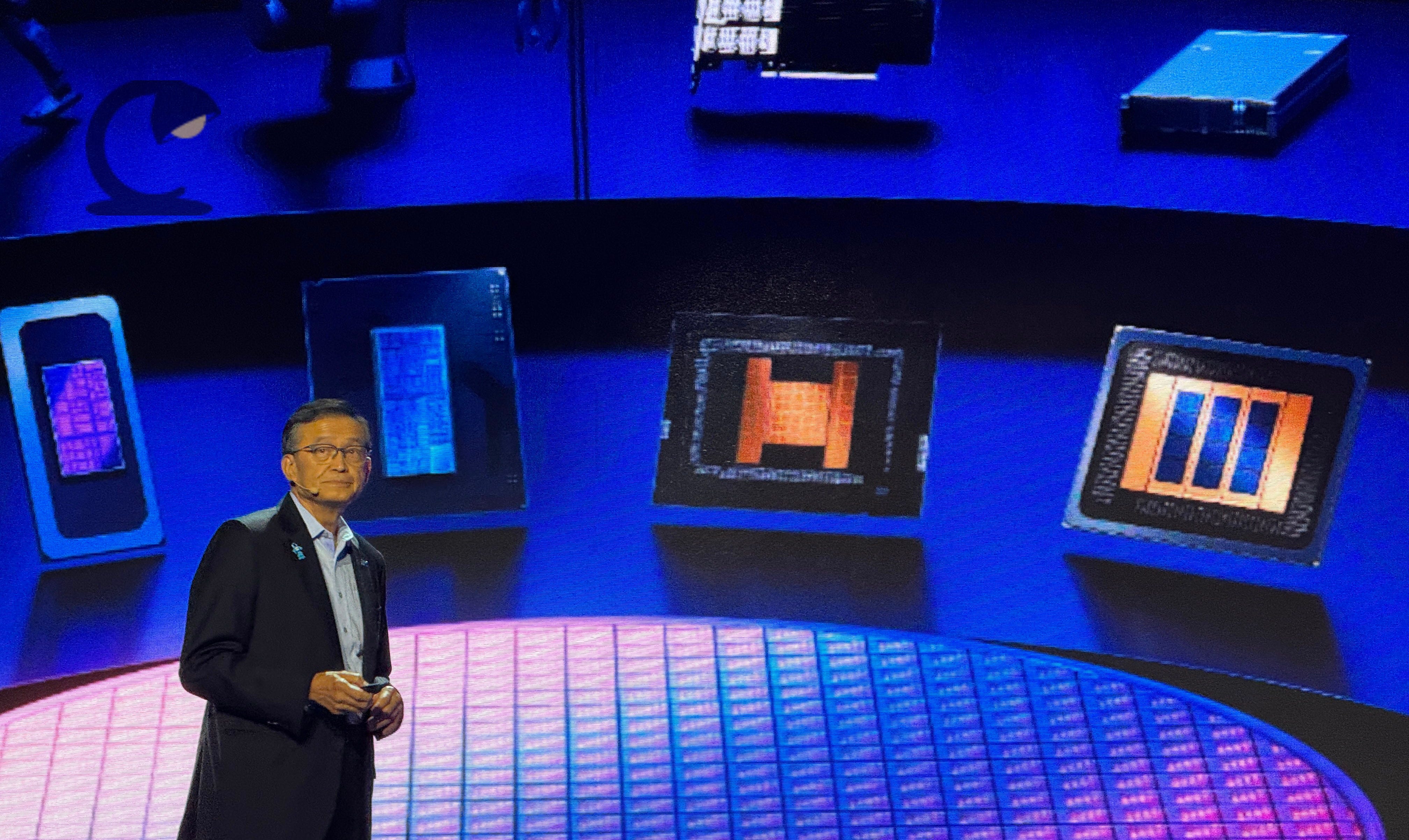
TSMC’s capacity is notoriously tight right now, and Intel is unlikely to be high on the priority list in Hsinchu. As a result, any challenges Intel may be facing with 18A output could be exacerbated by a struggle to get supply from TSMC. It also highlights how reliant Intel is on TSMC, even as it trumpets a comeback heralded by the launch of 18A.
Intel touted inhouse manufacturing when it launched Panther Lake in January with the headline: Intel Core Ultra Series 3 Debuts as First Built on Intel 18A. It did not mention TSMC as a supplier of parts of the final product, implying that the chip is made entirely at its own fabs.
One person at a tier-two laptop brand thought their company’s inability to procure the chips was due to bigger brands getting priority allocation. Yet I spoke with people at three of the world’s top-six laptop brands, and they all gave the same feedback: supply is tight. This indicates that we’re looking at a supply issue rather than a problem of demand being too strong or some customers getting priority.
Smaller unbranded manufacturers, who assemble according to orders from clients, echoed the same sentiment as the brand names. People at two separate smaller manufacturers I spoke with said they are asking clients to secure supply first before they could accept the assembly orders. This model, known as consignment, contrasts with an end-to-end manufacturing approach where the factory handles all of the procurement.
Among the theories presented to me by computer makers was the belief that Intel is prioritizing production of the Xeon 6+ server chip at the expense of the laptop chips. They also expressed concern that this situation could worsen now that Xeon 6+ has been formally launched in the market.
I asked at the Intel press conference how the company allocates 18A capacity. “It’s complicated,” Kevork Kechichian, general manager of the company’s Data Center Group, replied. “It’s not an easy thing.”
Thanks for reading.


